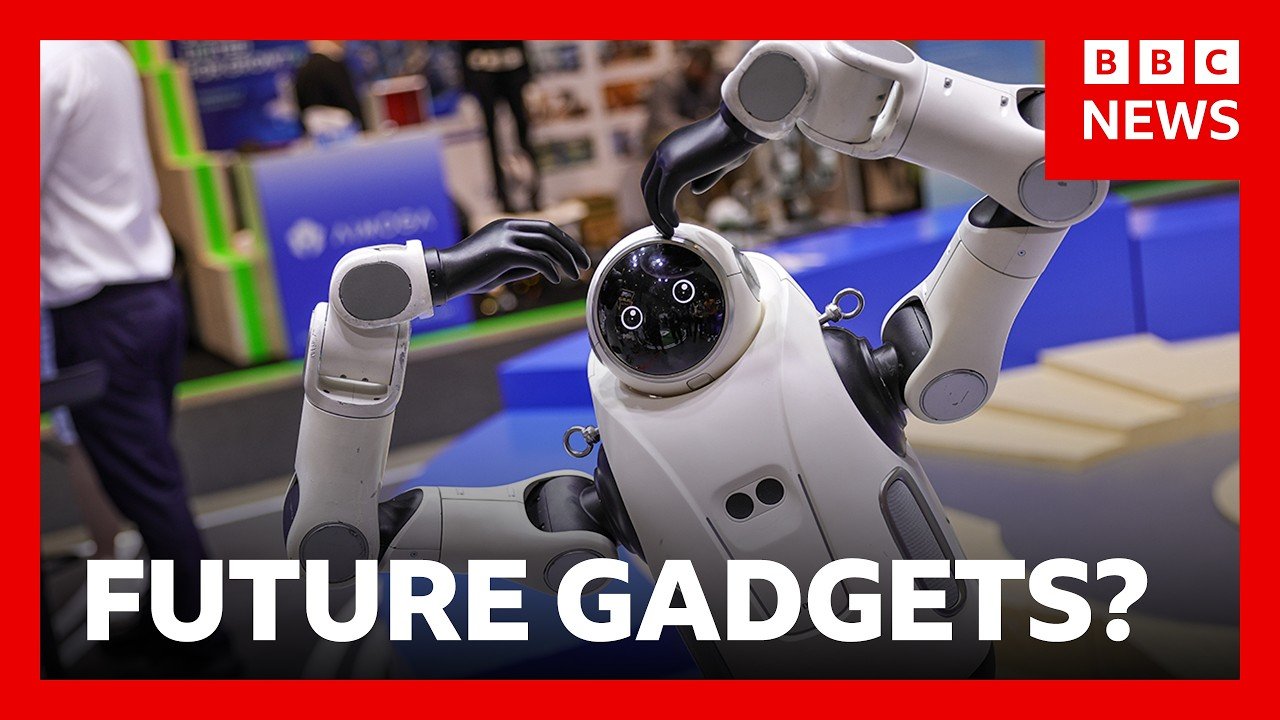
At the International Fair for Advanced Technologies (IFA) in Berlin, the future of gadgets is already here—packed with AI, robots, and wearable tech. The trade show, attended by over 2,000 exhibitors, showcases cutting-edge innovations that promise to revolutionize how we live, work, and interact with technology. From AI-powered robots to smart wearables, the event highlights the rapid evolution of gadgets that are becoming more intelligent, personalized, and integrated into our daily routines.

AI-Powered Robots: The Next Frontier
One of the most striking features at IFA 2024 is the proliferation of AI-driven robots. These robots are no longer just tools for manufacturing or household tasks—they’re becoming more sophisticated, capable of performing complex tasks with human-like precision. The M1Z, a 15-inch robot with a camera and security features, exemplifies this trend. It can patrol homes, scan for intrusions, and even communicate with users, blending functionality with a human-like presence. Meanwhile, robots are being developed to assist in daily activities, from gardening to elderly care, demonstrating how AI is being harnessed to improve quality of life.
Another standout is the RoboCup competition, a global event where robots are tested for their ability to play football. This showcases the broader applications of AI, from sports to industry, where robots are being trained to perform tasks that require problem-solving, coordination, and adaptability. The competition highlights the potential of AI to extend beyond entertainment, entering domains like healthcare, logistics, and even education.

Wearable Technology: The Next Evolution
Wearable technology is another cornerstone of IFA 2024. Devices like the Icaros, an AI-powered cuddly toy for children, and the Plaud One earbuds, a smart assistant that can analyze conversations and provide real-time insights, reflect the growing trend of integrating AI into everyday life. The Plaud One, for instance, uses a microphone, camera, and AI to monitor the user’s surroundings, recognize emotions, and interact with the user through a voice interface. This represents a shift toward seamless, intuitive technology that adapts to user needs without requiring manual intervention.
These wearables are not just about convenience—they’re about personalization and security. The Icaros, for example, can report on a child’s emotional well-being, while the Plaud One can track conversations and alert users to potential issues. The design of these devices emphasizes privacy, with features like a visible privacy symbol to reassure users about data protection. This balance between innovation and user trust is critical as wearable technology becomes more integrated into daily life.

Challenges in AI Adoption
While the future of gadgets holds promise, the path to widespread adoption is not without challenges. Many users are still unfamiliar with how AI works, why it operates the way it does, and what the "magic" behind it truly entails. This lack of understanding creates a barrier to trust, as people are hesitant to rely on technology they cannot see or fully comprehend. The source notes highlight this concern, noting that while companies are excited about AI’s potential, many users remain skeptical about its reliability and ethical implications.
Security and privacy are also major concerns. As AI becomes more integrated into daily life, the risk of data misuse or cyber threats grows. The IFA 2024 exhibitors are addressing these issues by designing devices with built-in privacy features, such as the Plaud One’s visible privacy symbol. However, the broader challenge lies in educating users about the benefits and risks of AI, ensuring that they can make informed decisions about the technology they adopt.

The Road Ahead: A Vision of the Future
As IFA 2024 concludes, it’s clear that the future of gadgets is no longer just about hardware—it’s about transformation. AI, robotics, and wearables are converging to create a smarter, more connected world. From security cameras that patrol homes to AI assistants that manage daily tasks, the technology is evolving at a rapid pace. The next few years will likely see even more integration of AI into everyday life, with innovations that blur the line between human and machine.
For consumers, this means navigating a landscape where technology is becoming more intuitive and personalized. While the benefits are undeniable, the challenge remains in balancing innovation with trust and privacy. As the source notes suggest, the future of gadgets will not be just about what they can do, but also about how they can coexist with humans in a secure and responsible way. The key to this evolution lies in continuous education, ethical development, and the ability to build trust in the technology we rely on daily.

Conclusion
The gadgets of the future are not just about what they can do—they’re about how they can improve our lives. AI, robotics, and wearables are reshaping industries and everyday experiences, but their success depends on addressing the challenges of understanding, trust, and security. As IFA 2024 demonstrates, the future of technology is both exciting and complex. It’s up to us to ensure that the innovations we embrace are not only powerful but also responsible and transparent. The journey ahead is just beginning, and the possibilities are limitless.