The Dawn of a New Manufacturing Era
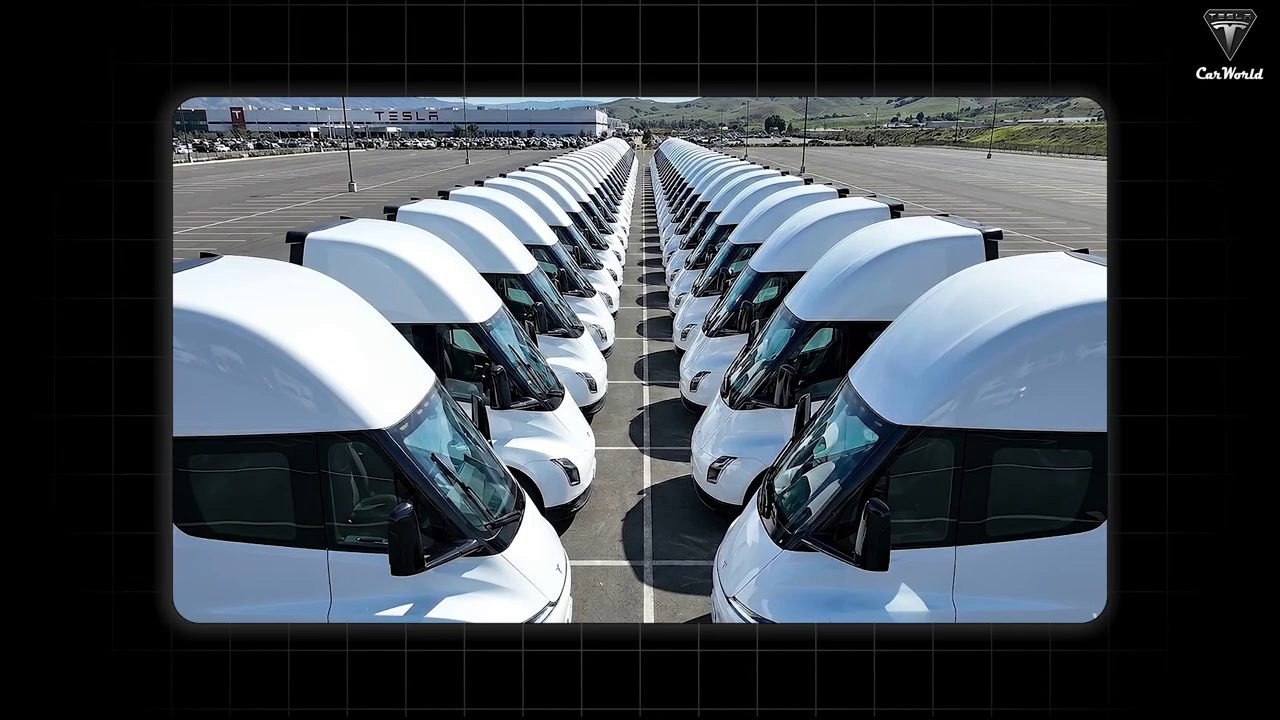
As the production of 408,386 vehicles in Q1, 2026 marks the beginning of a seismic shift in the automotive industry, the true scale of Tesla's innovation is only beginning to unfold. At the heart of this transformation lies the 50,000-ton Giga Press, a technological marvel that is redefining what it means to manufacture cars. With the unboxed process and third-generation LFP batteries slashing costs by 50%, Tesla is not just leading the market—it is executing a global takeover. The leap from hundreds of thousands to millions of vehicles is no longer a distant dream but an imminent reality.
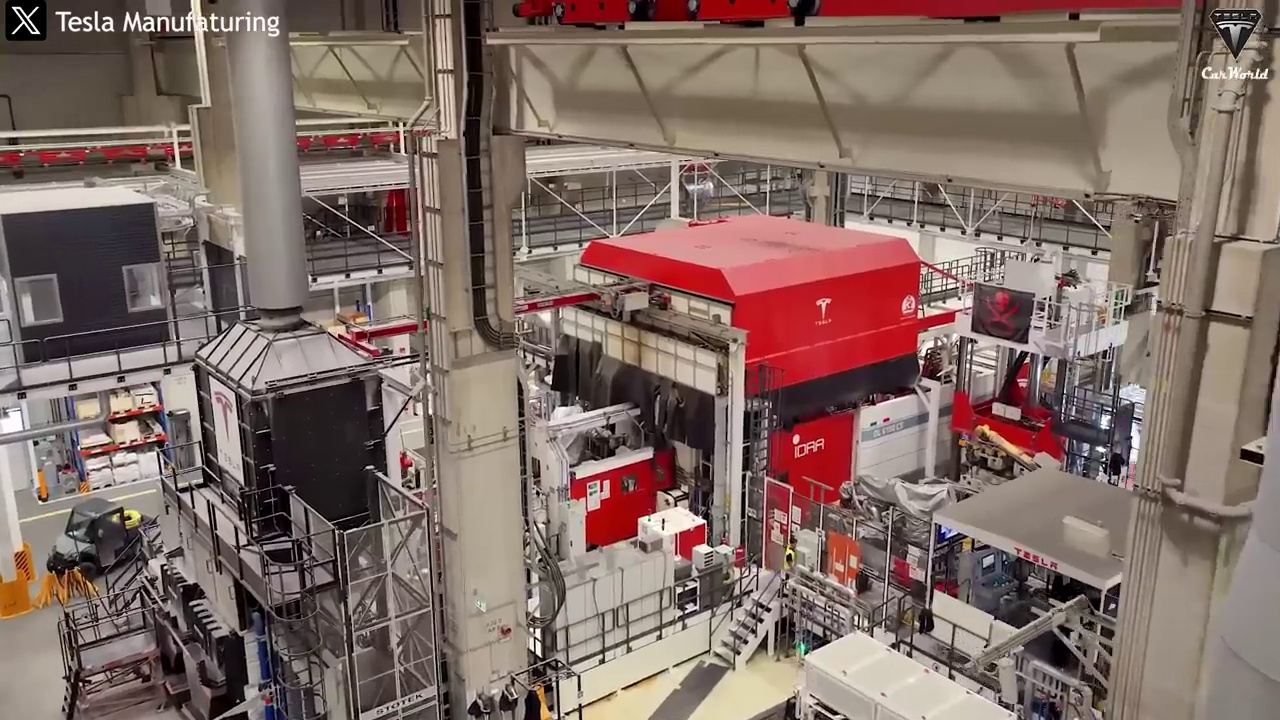
The Giga Press: A Force of Nature
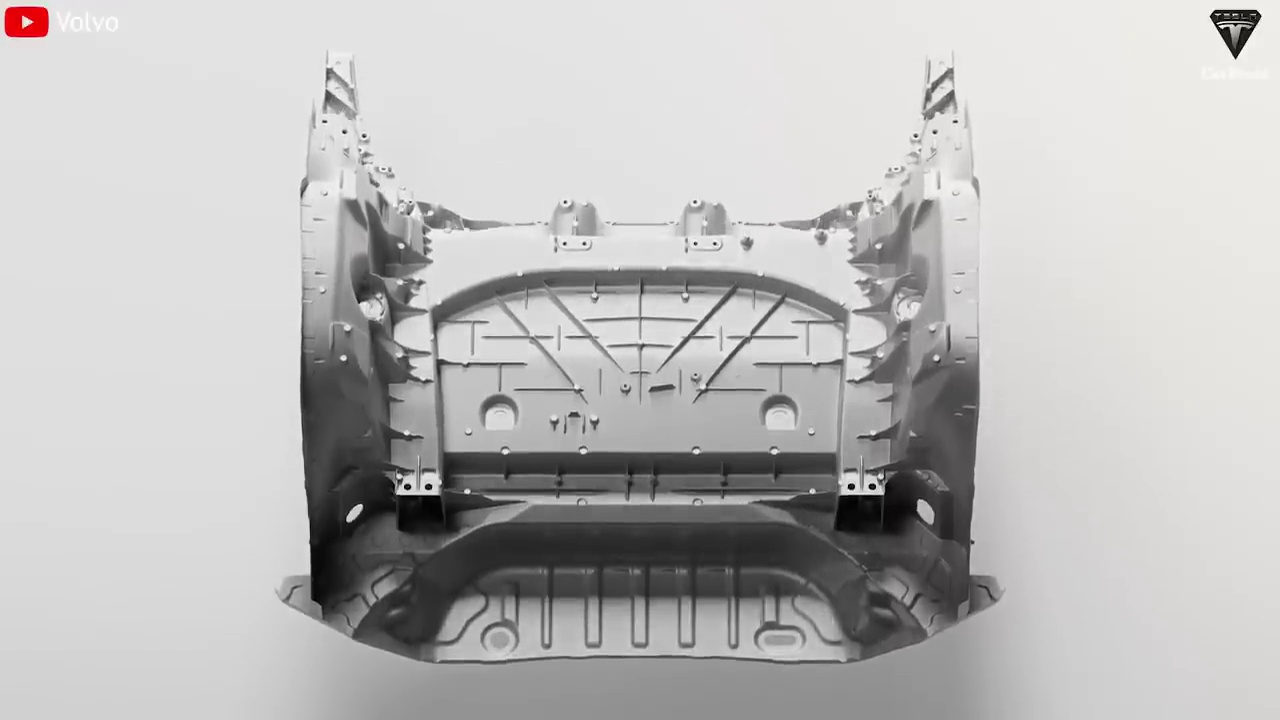
At the core of this revolution is the world's only 50,000-ton Giga Press, a machine that has captured the imagination of engineers and analysts alike. This colossal press, capable of exerting a force of 50 million kilograms, compresses molten aluminum into a single structural component in milliseconds. Compared to the 6,000-ton presses used for Model Y and the 9,000-ton system used for Cybertruck, this represents a scale increase of approximately eight times and five times, pushing die casting into an entirely new industrial domain.
Mass Production and the CyberCab Launch
April 2026 marks a pivotal moment when CyberCab officially enters mass production, signaling the first time the 50,000-ton Giga Press is operating at industrial scale. This is not merely a new car—it is a paradigm shift in automotive manufacturing. According to Elon Musk, this marks the next major leap beyond Giga casting, setting the stage for a chain reaction that could reshape the entire industry.
Redefining Manufacturing Complexity
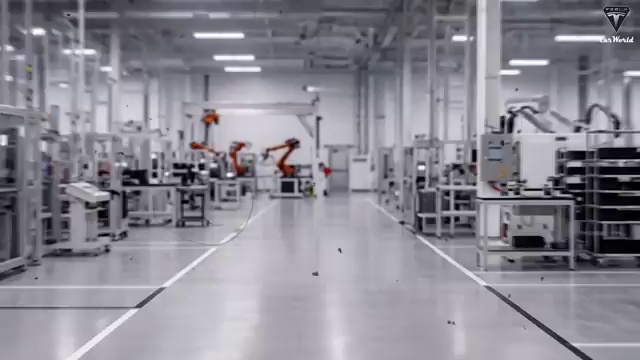
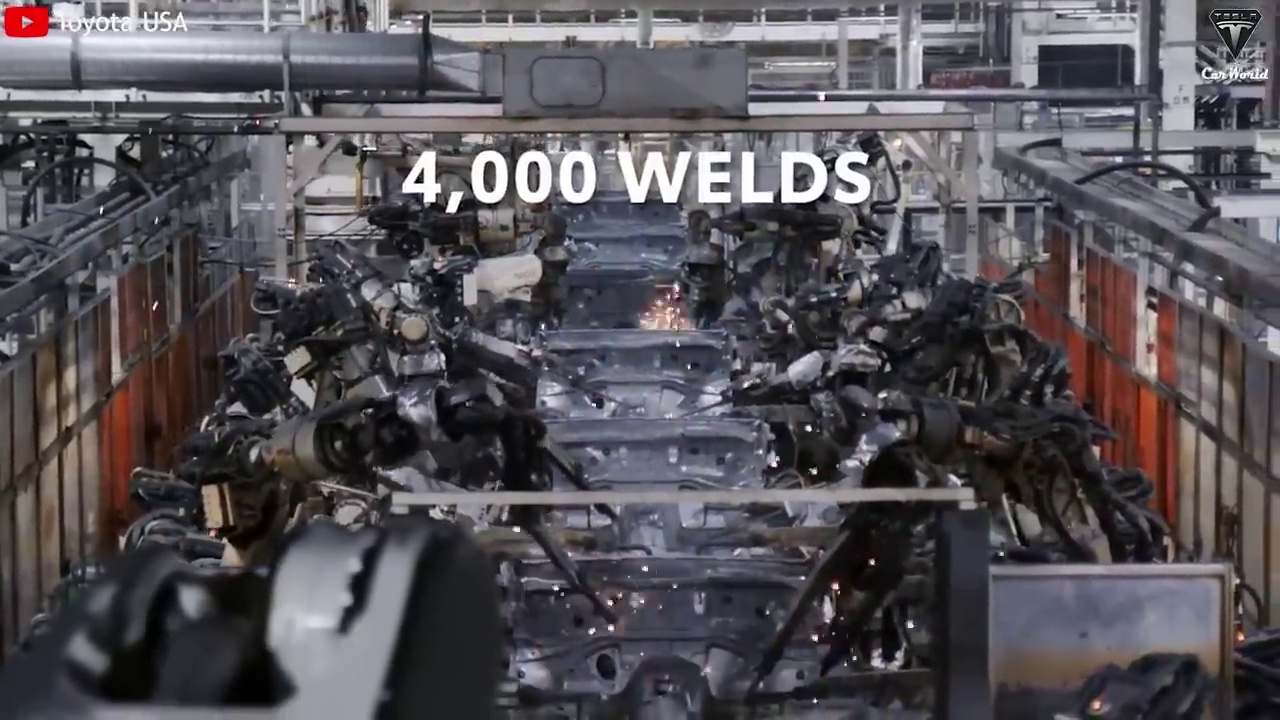
Traditionally, a car body is a complex system consisting of around 200-300 individual stamped parts, joined together by thousands of welds. Each weld introduces potential defects, and each component adds cost, logistics, and supplier dependency. The 50,000-ton Giga Press eliminates this complexity by casting large sections, potentially the entire underbody, in a single shot. Molten aluminum, heated to approximately 700-800 degrees Celsius, is injected into a massive mold, and pressed under extreme force before being rapidly cooled to maintain structural integrity at the microscopic level.
Rebuilding the Supply Chain
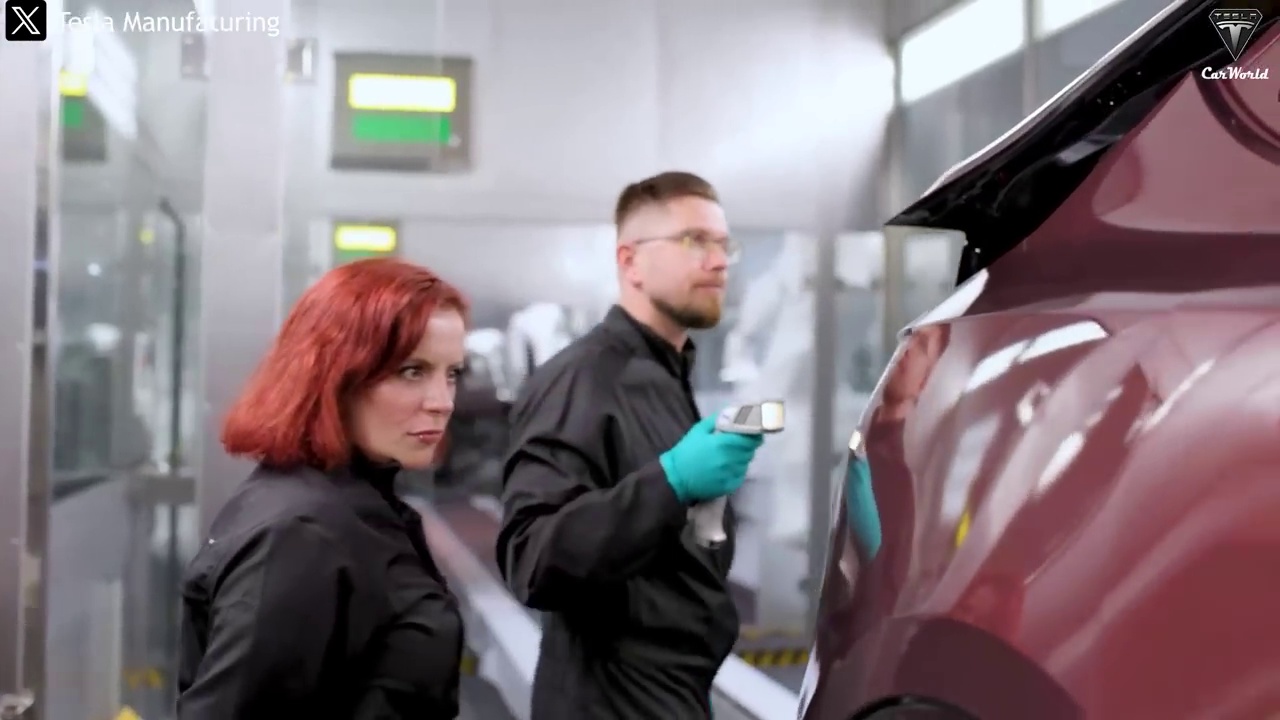
This transformation directly impacts the supply chain. By removing hundreds of components, Tesla reduces reliance on dozens of Tier 1 and Tier 2 suppliers, particularly those specializing in stamped steel, welding systems, and subassemblies. Instead, demand shifts toward high-performance aluminum alloys, ultra-durable casting molds costing millions of dollars each, and advanced thermal management systems capable of handling extreme heat cycles. In other words, Tesla is not just simplifying production—it is rebuilding the supplier ecosystem around itself.
The Future of Automotive Manufacturing
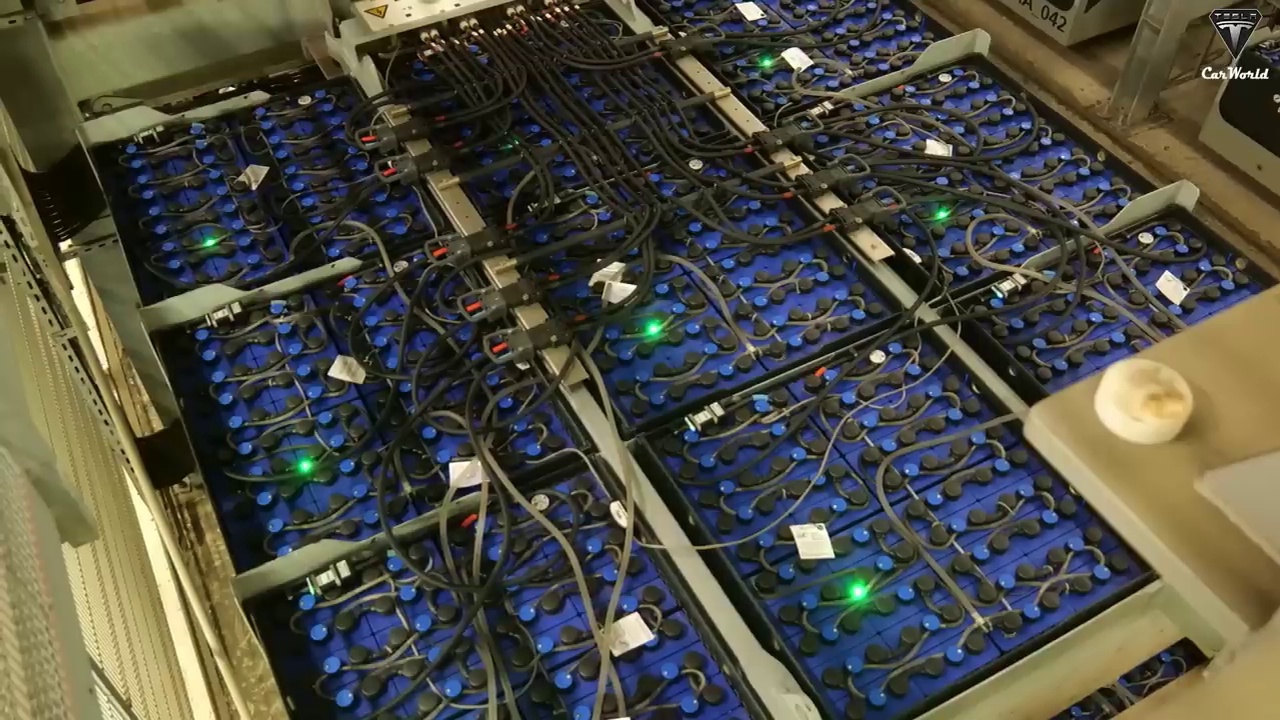
With CyberCab, Tesla is not simply scaling up. It is effectively creating an entirely new manufacturing category, making even its own previous systems, such as Model Y, 6,000-ton's, and Cybertruck 9,000-ton's, appear technically small in comparison. The unboxed manufacturing system, which produces 5-6 major modules in parallel, including the front, rear, structural battery pack, and side structures, before assembling them in a final step, reduces factory footprint by 40% and labor costs by 30%. This system, combined with the elimination of the paint shop, traditionally the most energy-intensive and space-consuming part of the manufacturing process, is setting a new benchmark for efficiency and sustainability in the industry.
Reported by: Tert Slamy
AI-Assisted Professional Journalism.